
PRACTICE AREAS
RATINGS




CONNECT WITH US
VIDEOS

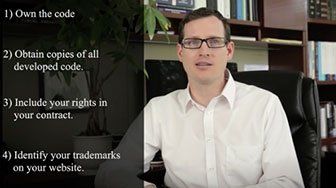
Business Protection & Planning Frequently Asked Questions
How can I protect my personal assets as a business owner?
First, form a legal entity like an LLC or Corporation. Second, maintain a strict separation of finances—never "commingle" personal and business funds. Finally, ensure the business is adequately insured and capitalized to handle its own debts.
What legal documents should every small business have?
At a minimum:
- Operating Agreement or Bylaws (internal rules).
- Federal Tax ID (EIN).
- Nondisclosure Agreements (NDAs) to protect trade secrets.
- Standard Client/Vendor Contracts.
What is an operating agreement and why is it important?
It is the "rulebook" for your LLC. It defines how decisions are made, how profits are split, and what happens if a partner leaves. Without one, California’s "default" laws apply, which may not be what you or your partners intended.
How do I structure ownership between partners?
Ownership is usually documented in the Operating Agreement or a Shareholders' Agreement. You should clearly define each partner's capital contribution, their percentage of ownership, and whether their "sweat equity" (labor) counts toward their share.
What happens if a business partner wants to leave?
Without a Buy-Sell Agreement, a partner leaving can freeze the business or lead to a costly legal battle. A pre-negotiated exit strategy determines how the departing partner’s share is valued and who has the first right to buy it.